Laurens County Seat in Middle Georgia
About Dublin, GA
Welcome to Dublin, the Laurens County seat named for the Irish capital and known for one of Georgia's longest-running St. Patrick's celebrations.
Dublin is the county seat of Laurens County in the heart of middle Georgia, positioned along Interstate 16 roughly midway between Macon and Savannah. Incorporated by the Georgia General Assembly in 1812, the town took its name from the Irish capital at the suggestion of its first postmaster, Jonathan Sawyer. For most of its early decades Dublin remained a small river settlement on the Oconee River, but the arrival of the Wrightsville and Tennille Railroad in 1886 — followed by additional rail lines and the first permanent bridges over the Oconee — transformed it into a regional cotton-trading center that shipped central Georgia's staple crop to market. That railroad era shaped the downtown that survives today, with a historic commercial district clustered near the Oconee River. The early 20th century brought setbacks as the boll weevil devastated cotton crops, but Dublin persisted as the county's civic and commercial hub. In the decades since, the city has grown into a county seat of roughly 16,000 residents serving the surrounding agricultural and industrial region. Dublin's Irish namesake has become its best-known civic identity. Every March the city hosts a month-long St. Patrick's Festival that has run since 1966 and now encompasses dozens of events, drawing visitors from across Georgia and beyond. That celebration, together with the Oconee River and a walkable downtown, gives Dublin a strong sense of place. As a middle-Georgia seat, the city offers the practical benefits of a regional hub — county government, healthcare, retail, and schools — combined with a low-density, small-city pace. Its central position on I-16 keeps the coast, the state capital, and the surrounding countryside within easy reach. For those drawn to authentic Southern downtowns with a distinctive cultural tradition, Dublin provides a rare combination of riverfront history, Irish-flavored civic pride, and everyday livability.
Frequently Asked Questions
What county is Dublin, Georgia in?
Dublin is in Laurens County in middle Georgia and serves as the county seat. The city sits along Interstate 16 roughly midway between Macon and Savannah, with the Oconee River running through it.
Why is Dublin, Georgia named Dublin?
Dublin was named by its first postmaster, Jonathan Sawyer, after Dublin, Ireland, his Irish homeland. The city has embraced that Irish heritage, most visibly through its annual St. Patrick's Festival.
What is Dublin, Georgia known for?
Dublin is best known for its month-long St. Patrick's Festival, held every March since 1966. The festival reflects the city's Irish namesake and includes dozens of events across the downtown, from arts and crafts to road races and live music.
What school district serves Dublin?
Dublin is served by Dublin City Schools, a Pre-K through 12th-grade charter school system that covers the city and surrounding communities in Laurens County. Rural portions of the county are served by the separate Laurens County school system.
Where is Dublin, Georgia located?
Dublin sits in middle Georgia on Interstate 16, roughly midway between Macon and Savannah, near the Oconee River. Its central location made it a historic railroad and cotton-trading hub for the region.
City Guide
About Dublin
Real Estate & Housing
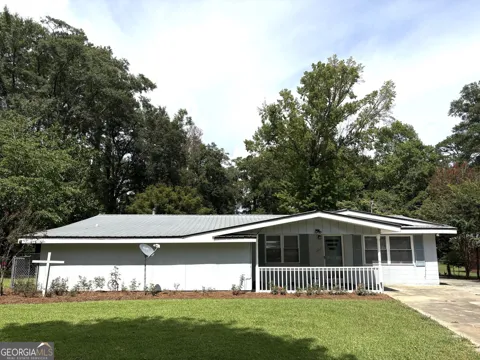
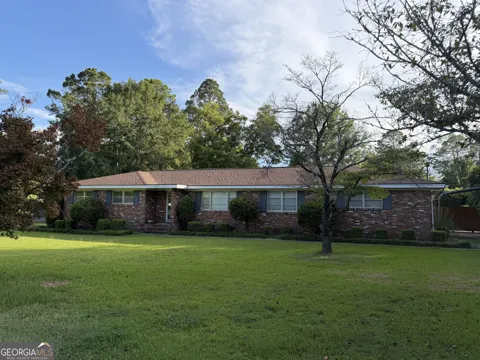
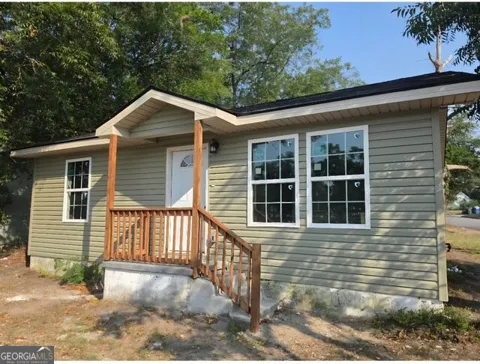
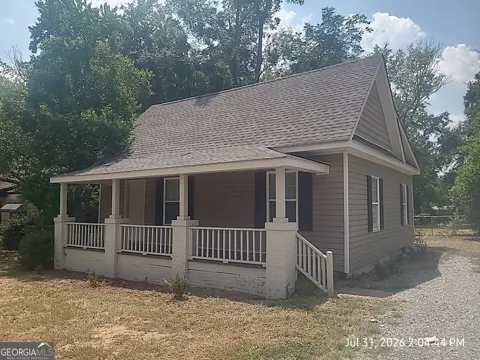
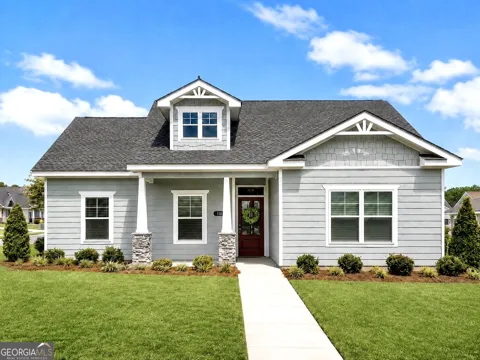
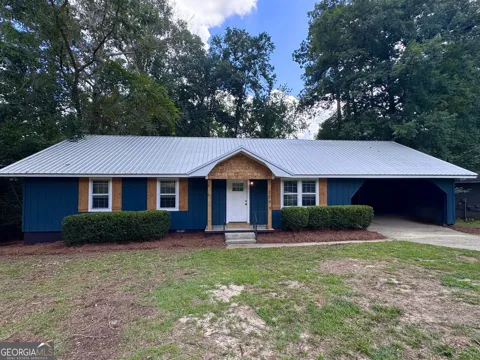
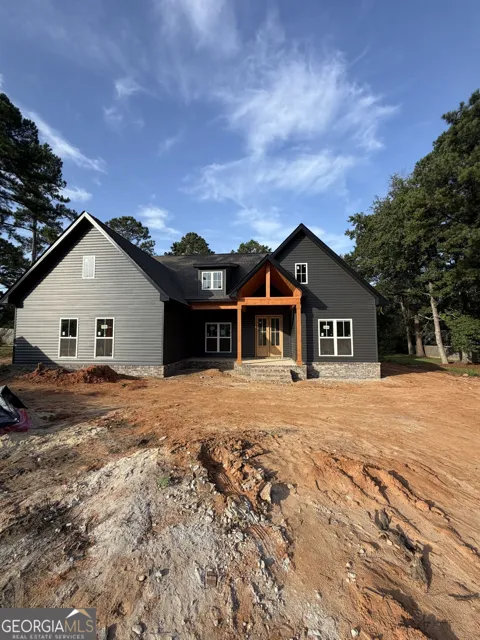
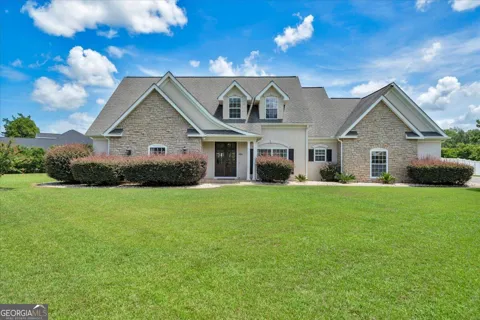
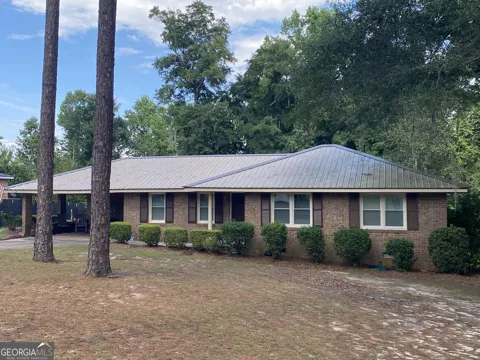
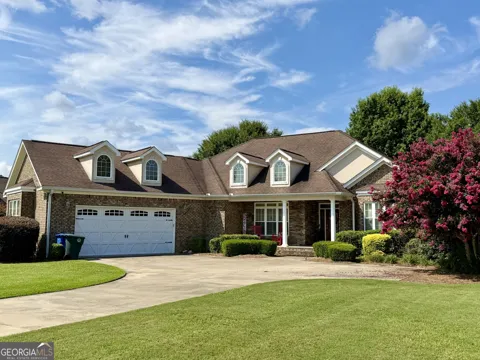
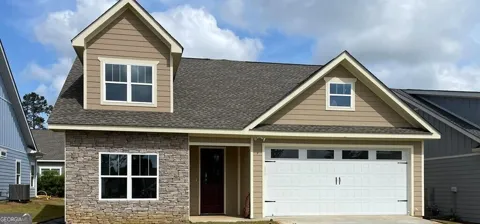
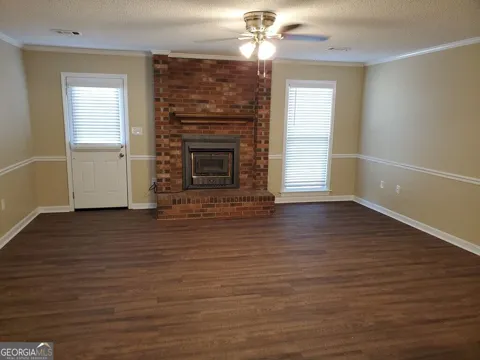
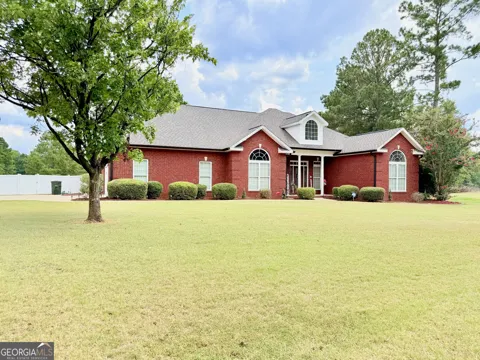
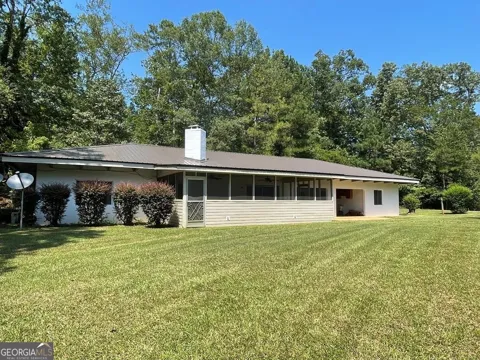
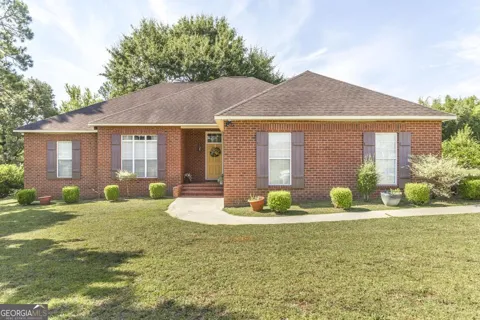
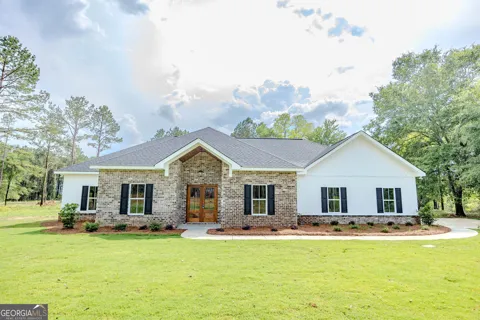
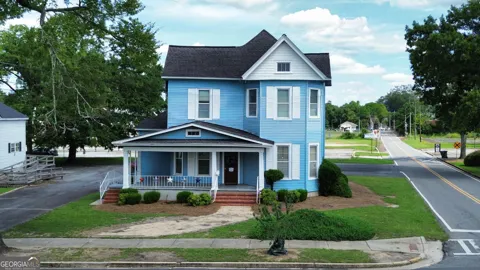
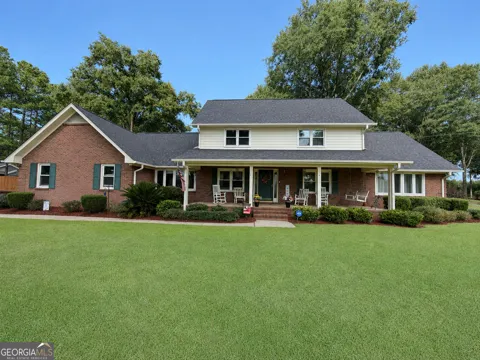
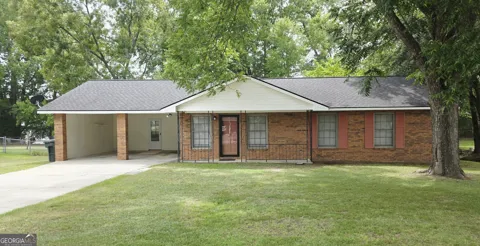
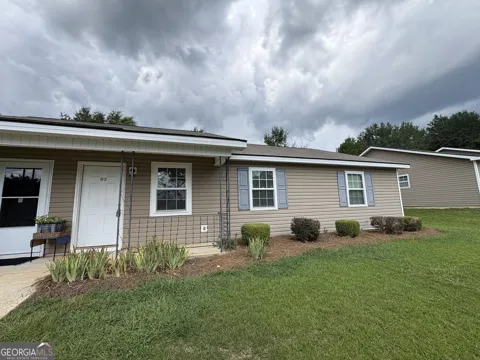
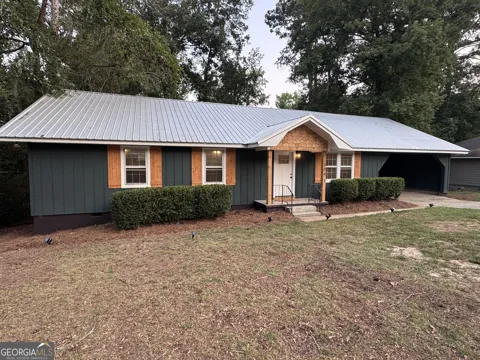
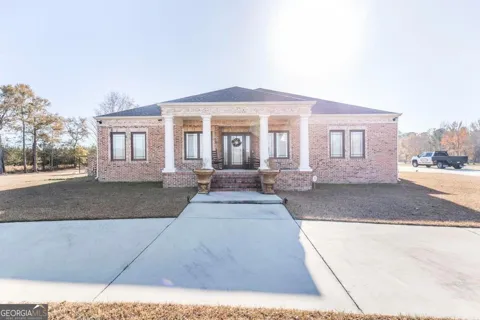
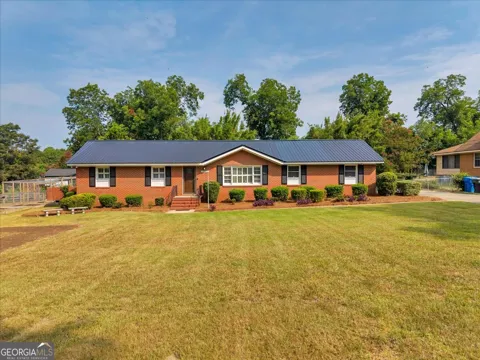
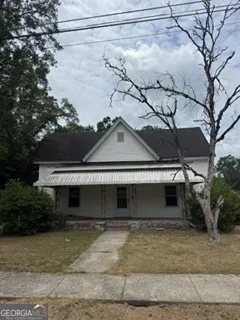
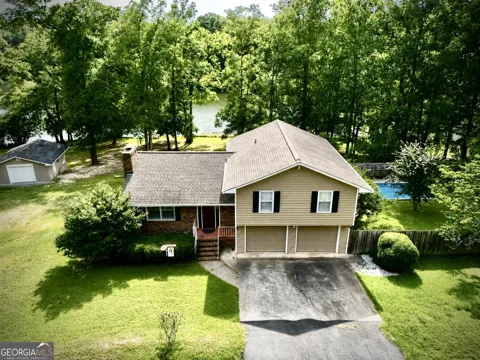
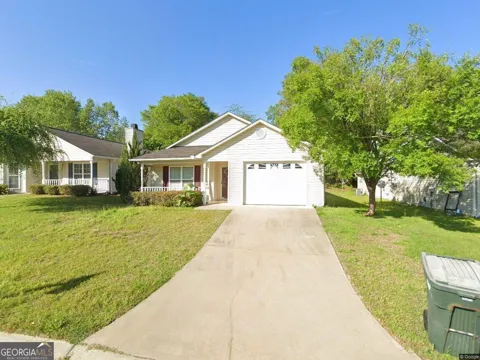
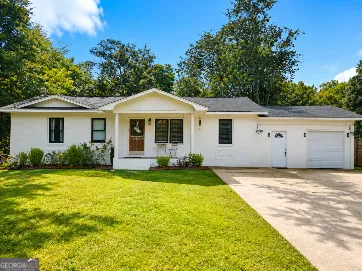
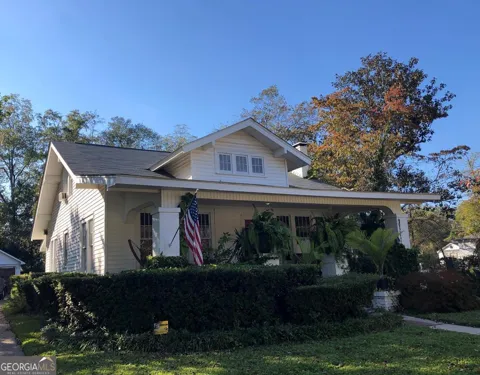
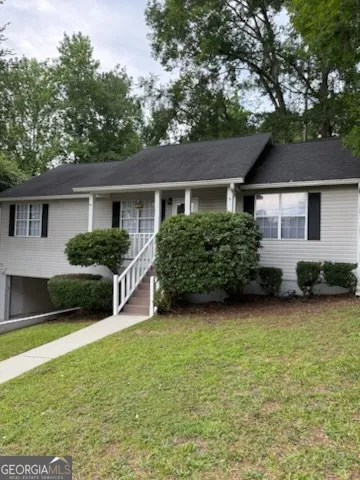
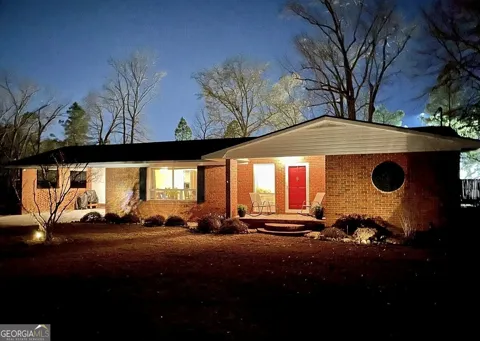
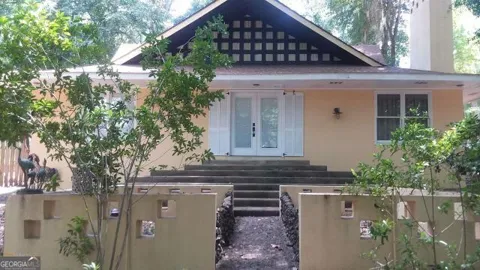
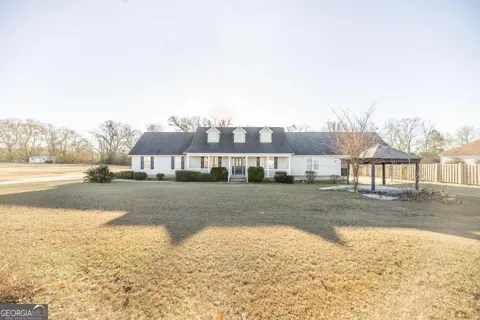
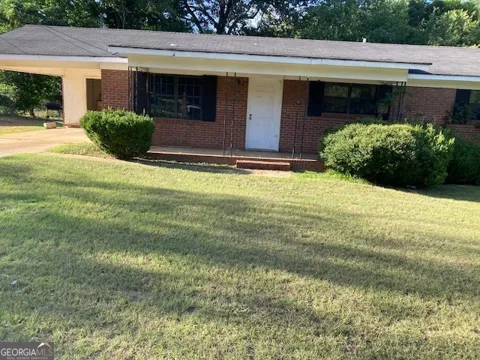
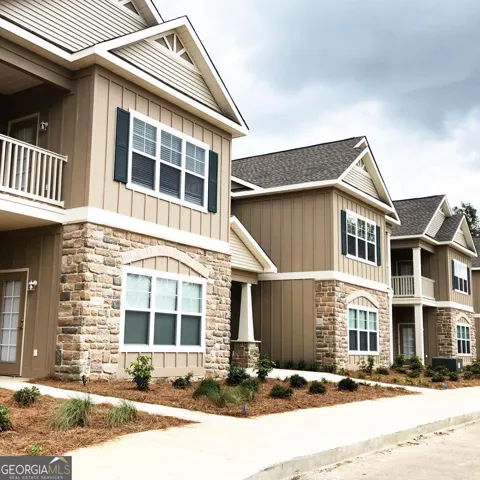
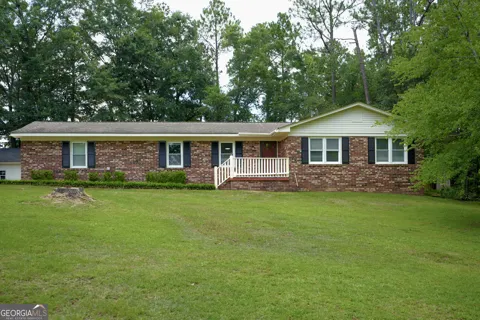
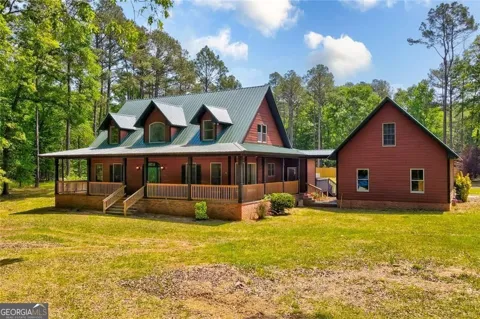
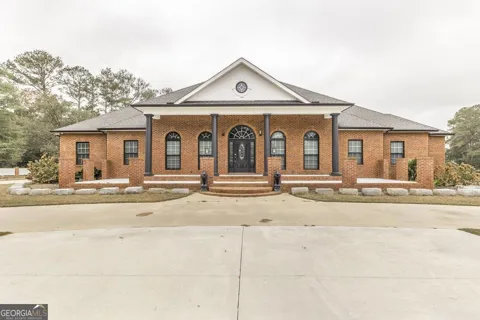
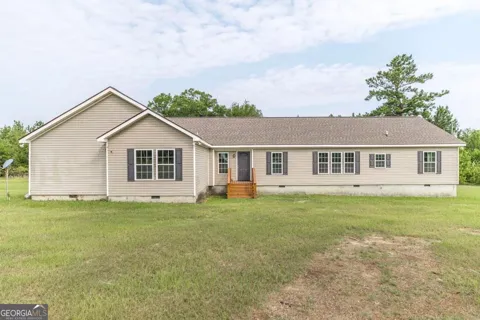
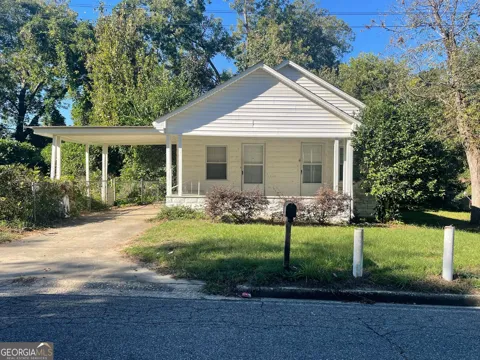
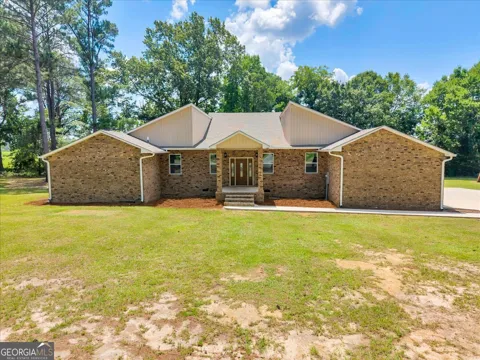
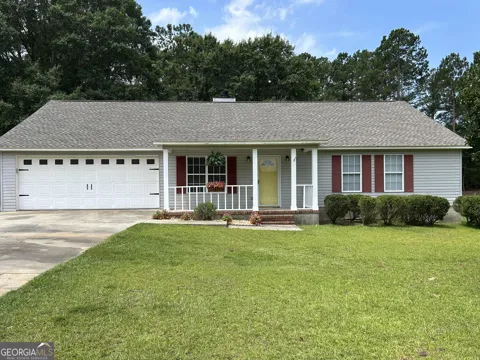
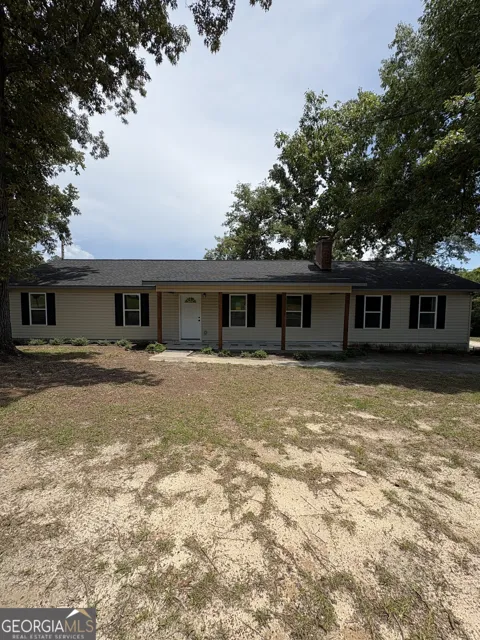
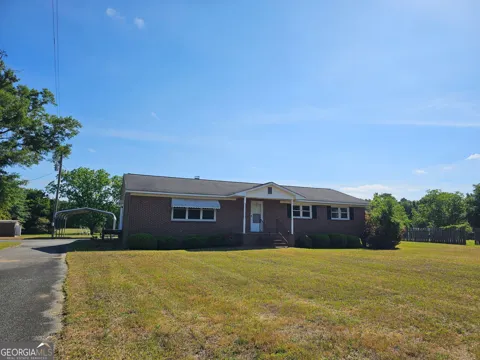
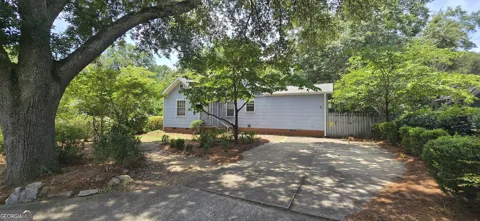
Dublin's housing stock centers on its historic in-town neighborhoods, where early-20th-century homes line streets near the downtown commercial district, alongside mid-century ranch houses and newer construction farther from the core. The city's overall feel is a sparse suburban and small-town mix, with a notable share of rental housing reflecting its role as a regional service center. Lots tend to be traditional in-town parcels close to downtown or larger, more open sites on the city's edges. This range of older character homes and newer subdivisions keeps Dublin accessible to a broad mix of buyers, from first-time homeowners to families seeking historic properties.
Neighborhoods
Dublin's identity is anchored by its downtown historic district, a compact commercial core near the Oconee River with restored storefronts and civic buildings. Surrounding in-town residential streets hold many of the city's older homes, while established subdivisions spread outward along the main corridors toward Interstate 16. The riverfront and the areas around the county courthouse add to the city's sense of history. Because Dublin is a small county seat, its neighborhoods read as connected parts of one walkable, close-knit community rather than sharply distinct districts.
Lifestyle in Dublin
Dublin's Irish heritage defines its community calendar. The St. Patrick's Festival, held each March since 1966, runs the full month with events that have included a balloon fest and glow, music on the downtown streets, arts and crafts, and a leprechaun road race. Throughout the year, the restored downtown hosts shopping and dining, and the city's location on the Oconee River adds a scenic backdrop to civic life. The pace is relaxed and community-centered, typical of a middle-Georgia county seat, with an outsized seasonal celebration that brings visitors from across the region.
Schools & Education
Students in Dublin attend Dublin City Schools, a Pre-K through 12th-grade charter school system that serves the city and surrounding communities in Laurens County. The district operates its own elementary, middle, and high schools and emphasizes preparing students for college and careers. Surrounding rural portions of Laurens County are served by the separate Laurens County school system. This combination gives families in the Dublin area access to a dedicated city school system with a charter focus and a full K-12 pathway within the city.
Getting Around
Dublin's modern connectivity is built on Interstate 16, which runs along the city's edge and links it directly to Macon to the west and Savannah and the coast to the east. Historically, the city's growth was driven by rail: the completion of the Wrightsville and Tennille Railroad in 1886, followed by additional lines, made Dublin a transportation hub and cotton-shipping center on the Oconee River. U.S. and state highways radiate from the city into Laurens County and neighboring counties, keeping Dublin at the center of a broad rural service area.
Parks & Recreation
The Oconee River is Dublin's defining natural feature, and the city's riverfront and surrounding green spaces offer fishing, walking, and scenic views. Recreation and civic life converge during the March St. Patrick's Festival, whose dozens of events — from arts and crafts to a road race — turn the downtown into a regional gathering place. Local parks, sports facilities, and community events fill out the year-round calendar. For a city of its size, Dublin offers a notable mix of river access, a walkable historic core, and one of Georgia's best-known annual celebrations.
MARKET SNAPSHOT
The Market at a Glance
How homes have been selling here over the last 90 days.
Price & Sales History
Market data reflects closed sales over the last 90 days and is provided for informational purposes.
Zip Codes
BROWSE BY ZIP
Browse listings by postal code in this area.
- Grid
- Map
- List